Autumn Citrus Tree Care: Helpful Tips For Fall Pests & Problems

As the weather gets cooler in autumn and gardening slows down, don’t forget about your citrus trees. Whether you are growing lemons, limes, oranges or other varieties, in the ground or in a pot, your citrus trees still need attention. Brush up on essential autumn citrus tree care with these helpful tips, including common fall citrus pests and problems to watch out for.
*Disclosure: This post contains affiliate links. We may be paid a commission if you use these links to make a purchase. As an Amazon Associate we earn from qualifying purchases.
Growing citrus trees in autumn
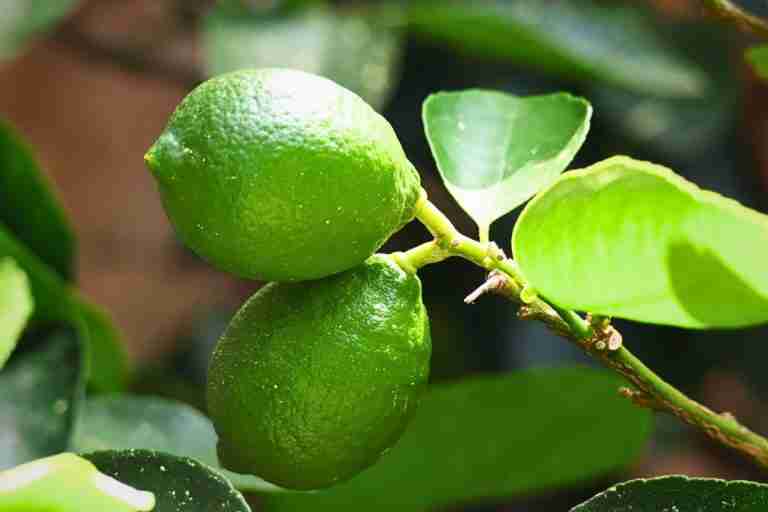
Some citrus varieties will still be producing fruit that’s ready to harvest in the fall. Seasonal citrus that ripens in autumn includes mandarin oranges, limes, yuzu and some varieties of grapefruit. Other citrus trees like naval oranges and lemons are busy preparing during Autumn for a winter crop. And depending on the climate where you live, your trees might be slowing down ready for a dormant winter instead.
Whether actively fruiting or storing up nutrients for later, it’s important to keep up regular autumn citrus tree care to keep them healthy.

Regular autumn citrus tree care and maintenance
Keep up regular maintenance tasks during autumn. Weeds can appear more as the weather cools and there is more moisture in the soil, so make sure to weed under your citrus trees. While new growth tends to slow, you can still remove any branches that grow below the tree graft (rootstock).
Watering citrus trees in autumn
Citrus trees grow best when they have a consistent amount of moisture in the soil. As the weather gets cooler, your citrus trees won’t need watering as often. Rainfall will also wet the soil more.
Keep an eye on the moisture levels in the soil and adjust your watering schedule to suit. Citrus trees are generally happy with a good soak less often. You can also use light mulch under your citrus tree to help retain moisture in the soil. Make sure not to use any mulch around the trunk as this can lead to rot.
When it comes to watering potted citrus trees, physically checking the soil is the best way to know when they need a drink.
Reduce or change your fertiliser
Producing citrus fruit takes a lot of energy and nutrients. It’s a good idea to keep fertilising your citrus tree in autumn so that it has enough reserves. Fertilising also helps your tree fight off pests and diseases. However, you can usually reduce fertilising during autumn for most citrus.
Also use the right fertiliser for the season. Fertilisers that are too high in nitrogen can encourage new growth that can be damaged by cold weather and frost and should be avoided in the fall. Instead, choose a balanced fertiliser with trace elements that encourage good root growth. You could also use a slow-release citrus fertiliser over the cooler months.

Check for unwanted citrus pests and problems
While you may not be watering and fertilising your citrus trees as often, it’s still really important to check them regularly for any signs of disease or pests. Keep an eye on the leaves, including the undersides, for any changes. Catching and controlling any problems early will help keep your trees healthy through the winter.
Fall/autumn citrus tree pests
There are a few common citrus tree problems you might encounter in autumn/fall.
Citrus leafminer

One citrus pest that is commonly active in autumn is citrus leafminer. The leafminer lays tiny eggs on citrus leaves. The eggs and larvae that hatch are tiny, but you’ll be able to tell if your citrus trees are affected if you notice characteristic squiggly silver lines on the leaves.
Citrus leafminer looks unattractive and also affects the ability of the leaves to photosynthesize. This can reduce the health of your tree, including its growth and fruit production. Read more about preventing citrus leafminer problems and a simple non-chemical spray to help get citrus leaf miner under control .
Annoying aphids

As with roses, aphids also like to feed on citrus leaves and flowers. These sap-sucking insects especially like to attack new growth. They can be more of a problem for younger trees.
Citrus aphids also secrete a sticky honeydew substance that can lead to sooty mould/mold problems and attract ants to your citrus trees too (see more below).
If you have a lot of aphids on your citrus tree or they are affecting new growth, there are many different ways to get them under control. I prefer to use the the same natural methods on citrus as I do to control aphids on roses – including physical removal, encouraging or introducing beneficial insects to prey on the aphids, and spraying with non-chemical sprays. Read more about preventing and treating citrus aphids and the problems they can cause.
Citrus scale

Citrus scale pests are small, sap-sucking insects that attach to the leaves or stems of citrus trees. Some types of scale have soft shells and others are armoured, with a hard, waxy coating. Scale can be black, brown, red, pink or white. It can affect all types of citrus trees.
Often you may notice signs of scale before you see the insects themselves. This could be mottled, curling leaves or sooty mould (see below).
If your tree has a lot of citrus scale, it can cause leaves to turn yellow or drop. Or if there is sooty mould, this can affect the health of your tree and how much fruit it produces. Unhealthy trees can also be more vulnerable to other citrus pests. Different ways to treat citrus scale include physical removal, encouraging beneficial insect predators, spraying with a homemade oil spray or horticultural oil as a last resort.
Passionvine hoppers

For those in Australia or New Zealand, Autumn is a good tume to check for passionvine hoppers. late summer to Autumn is when you’ll see the lacey winged adult pests on citrus trees, preparing to lay their eggs. The eggs hatch in the spring to become fluffy passionvine hopper nymphs, which suck the sap of new growth on your citrus trees.
Passionvine hoppers can affect the health of your trees, causing leaves to turn yellow or drop, associated problems like sooty mould and ants, and reducing fruit yields. Keep an eye out for the adults hoppers in Autumn and implement some natural ways to treat passionvine hoppers.
Sooty mold/mould

Citrus pests like scale insects, aphids, mealy bugs and passionvine hoppers produce a sticky honeydew. This sticky residue on citrus tree leaves can lead to a type of fungus called sooty mould/mold. The ‘sooty’ name comes from the fact that it is looks like mottled black soot on the citrus leaves.
Too much sooty mould covering the leaves can affect photosynthesis and in turn your tree’s healthy growth and fruit production.
Sooty mould is a symptom of other insect pests, so the best way to get rid of it is to treat the underlying pest problem.
Ants that take advantage
The sticky honeydew from scale insects and aphids can also attract ants to your citrus trees, This may seem harmless, but the ants actually defend the scale that so kindly provides them with food.
Ants will ‘farm’ the scale and even move them to other parts of the tree, This can make it harder to clear up a scale problem. If you notice ants on your citrus, theirs a good chance you have a scale or aphid problem to treat.
Birds and animals that want your citrus fruits

As citrus fruits are growing and continuing to ripen during Autumn, you’ll also need to take care to protect your fruit from birds and animals.
Here in Australia, animals like possums like to feast on ripe citrus. In the US, squirrels are also known to eat sweet citrus like oranges.
Some birds take citrus fruits straight from the tree. Our local ravens will sneakily steal my mandarin oranges in Autumn. You may need to net your citrus tree to protect from scavengers until your fruit is ready to harvest.
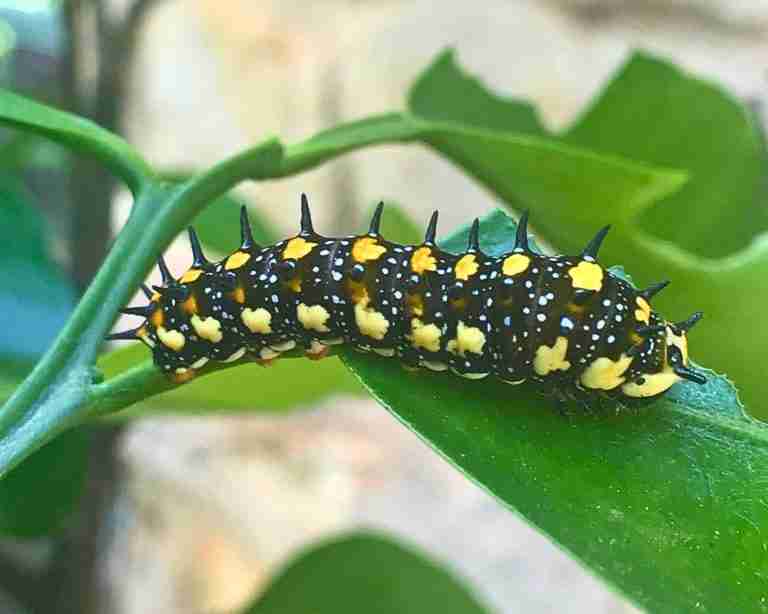
Late citrus caterpillars

While citrus caterpillars are more common over summer, they can also stretch over into Autumn. Unusually warm fall weather can mean butterflies are in the garden for longer.
I have had dainty swallowtail caterpillars on my blood orange in early to mid Autumn.
If you do find citrus caterpillars feeding on new citrus growth, please think twice before spraying or removing them. These pests will grow into beautiful swallowtail butterflies that are important pollinators. If your tree can stand to lose a few leaves, leave them be. Or consider relocating to a more mature citrus tree instead,
More citrus growing tips and ideas
With a little care in autumn, your citrus trees will reward you with healthy growth and hopefully lots of fruit. If you have a big crop, find out if you really need to thin citrus while it is young.
If you are growing citrus trees in pots, consider some of these companion plants to grow underneath potted citrus to brighten up your pots over autumn. Or if like me you have plenty of autumn limes on your tree, check out some of these ways to use up lots of limes.
For more about growing your own citrus at home, we’d love you to subscribe.
Free goodies!
Subscribe and receive our citrus themed weekly planner and to do list