How To Prevent And Treat Citrus Aphids Naturally

Aphids aren’t just a problem for roses. If you grow your own citrus trees at home, you should keep an eye out for citrus aphids. These small, sap-sucking insect pests especially love to feed on new growth. They can also cause other problems for your citrus trees, like sooty mould and ant infestations. Discover natural ways to prevent and control citrus aphids and keep your citrus trees healthy.

*Disclosure: This post contains affiliate links. We may be paid a commission if you use these links to make a purchase. As an Amazon Associate we earn from qualifying purchases.
What are citrus aphids?
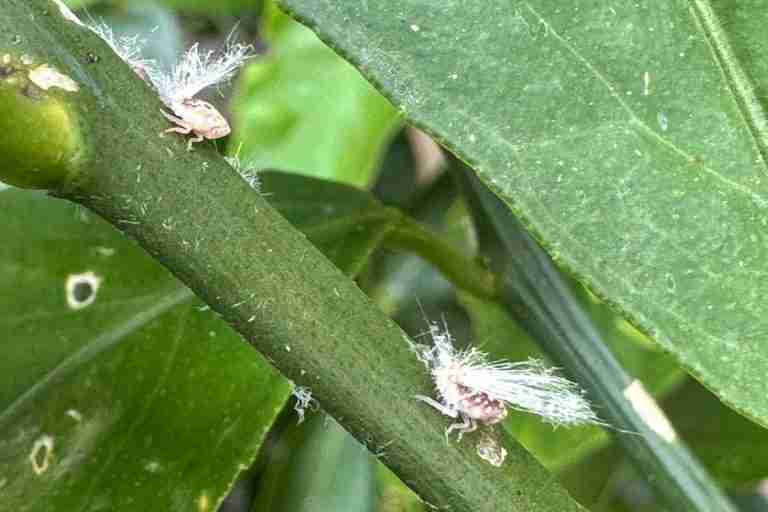
Citrus aphids are tiny (1-2mm long), sap-sucking insects. They are pear-shaped with soft bodies, antennane and two small ‘conrnicles’ or tails. They feed by sucking on sap from flowers and leaves on citrus trees, especially new growth, Aphids come in a variety of colours, including green, yellow and red. However aphids that feed on citrus are often black or brown. Adult aphids may or maynot have wings,

There are many different species of aphids that can affect citrus trees. In the US and Australia, aphids that feed on citrus trees include black citrus aphids (Toxoptera aurantii ), brown citrus apohids (Toxoptera citricida) and melon aphids (Aphis gossypii).
Citrus aphids can affect all types of citrus trees including lemon, lime, orange, mandarin and grapefruit.
How to tell if your citrus tree has aphids
Aphids can be hard to spot at first as they are only about 2 mm long. You may not notice them until they have multiplied and there is a heavy infestation on your citrus tree.
The first sign of citrus aphids on your tree might not be the insects themselves, Instead, you might notice changes in your plant like curled or wilting leaves. Or you might see sooty mould (or mold) on the leaves. This is a type of fungus that forms on the sweet honeydew secreted by the sap-sucking aphids. The ‘sooty’ name comes from the fact that it is looks like mottled black soot on the citrus leaves.
If you don’t spot live aphids, you may notice their white exoskeletons. These are the hollow skins left behind when citrus aphids grow and moult (molt).

Another sign that you could have an aphid problem is ants on your citrus tree. Ants are attracted to the sweet honeydew secretions from aphids. They will actually protect or ‘farm’ the aphids to ensure a supply of honeydew,
If you notice any of these signs, carefully inspect your citrus trees – including new growth and underneath the leaves – for any live citrus aphids.
Problems caused by citrus aphids
Aphids are a very common garden pest and may not necessarily cause a lot of damage to your citrus tree. But if you let the aphids multiply, they can cause a number of problems.
With a heavy infestation of citrus aphids, your tree leaves may curl, start to turn yellow and drop. Sooty mould from honeydew can interfere with photosynthesis and affect the health of your tree, stunting growth and fruit production.
Unhealthy trees can also be more vulnerable to other citrus pests. Aphids can spread to other plants in your garden.
Citrus aphids can also transmit viruses like citrus tristeza virus (CTV).
How to control citrus aphids
There are a few different ways you can control citrus aphids on your trees. And you don’t have to resort to chemical insecticides.
Aphids are more active in active growth periods in spring and summer and less active in winter. Make sure to check your citrus regularly for aphids during these times for aphids or related signs like sooty mould and ants. Spotting aphids early means you can treat the problem before it causes damage to your citrus tree.
While it can be tempting to spray, think carefully before reaching for a chemical insect spray for citrus aphids. Using insecticide can affect the beneficial or good insects that keep your tree healthy, like lady bugs (lady beetles), predatory wasps and lacewings. Sprays can affect bees and other pollinators too. They can also end up in soil and waterways.

This is why I prefer to use the the same natural methods on citrus as I do to control aphids on roses – including physical removal, beneficial insects and non toxic spray.
Physically remove aphids
Depending on the size of your tree and the number of citrus aphids, you may be able to physically remove them. Manual methods include:
- using water – Use a hose to direct a stream of water at the aphids to dislodge them from your citrus. This interrupts the aphids feeding and gives your tree a chance to recover. Using a hose with an adjustable spray nozzle works well so that you can adjust the strength of the spray and avoid damaging new growth or flowers. You will need to repeat spray for this method to work.
- removing by hand – Remove aphids any eggs.by wiping affected leaves with a damp cloth, washing it in a bucket of soapy water between wipes. If a leaf is very infested, you might decide to remove it all together. For smaller or potted trees, hand removal can be very effective but you will need to monitor your trees and repeat as necessary.
Beneficial pests
Naturally occurring beneficial insects like small predatory wasps, lady beetles, lacewings and even large insects like praying mantis are natural enemies of aphids. Encouraging beneficial insects in your garden (and avoiding insecticides) can help keep the natural balance.

If you don’t have many of these ‘friendly ‘good’insects in your garden, you can actually buy them.
Avoid using insecticide sprays if possible
If you do decide to spray the aphids on your citrus trees, please think carefully about using an insecticide. Insecticide can also kill the good insects that pollinate your flowers and help keep pests under control naturally.
Non-toxic soap spray
For a non-toxic alternative to insecticide, try spraying your citrus trees with a homemade soap spray. This can be made from simple ingredients you have at home:
- half a cup of vegetable oil;
- half a Tablespoon of dishwashing liquid detergent; and
- 5 litres of water.

If you don’t have a 5 litre container, you can just mix the oil and detergent in a lidded jar to make a concentrate. Use a marker on the jar to divide the concentrate into 5 equal amounts. When you are ready to use it, shake well to mix, and add 1/5th of the jar to 1 litre of water.
For small or potted citrus, fill a spray bottle and soak the leaves and buds of your citrus tree., including the uderside of the leaves. To spray a larger citrus tree, you’ll need a spray pack.
Spray once a week while the aphids are still present. This homemade soap spray won’t kill aphids, but will deter them from feeding on your citrus. (It’s also a great spray to use for pests like whiteflies and citrus leafminer.)
If you need a stonger treatment
For heavier aphid infestations, you can choose to spray with neem oil. This is a natural pesticide made from the seeds of the neem tree. While it is a natural pesticide, neem oil can affect beneficial insects too. You can also use neem oil in place of the vegetable oil in the homemade spray above.
Another option is to spray with a horticultural oil. The oil will smother and suffocate the citrus aphids and their eggs. Oil can still affect the beneficial insects too, so use with care.
Spray your tree twice, about 5-7 days apart, to make sure you haven’t missed any aphids. Again, only spray in the early morning or evening to minimise spraying beneficial bugs. And don’t spray when the weather is too hot or windy as you will burn your trees.
Disclaimer: These notes about spraying are for general information only. If you have any questions about whether a product is suitable for your needs, speak to your local garden centre or contact the manufacturer. Please also make sure to read and carefully follow any instructions on the labels of citrus pest sprays.
Preventing citrus aphids
Maintining healthy citrus trees is one of the best ways to prevent pests like citrus aphids. Unhealthy or weak citrus trees are more likely to have pest problems. So make sure to look after your citrus trees by feeding and watering regularly and treating any other pest problems quickly.
Encourage beneficial insects in your garden, as they help keep citrus pests at bay and reduce the need for spraying.

Watch for ants on your citrus trees. They are attracted to trees by aphid’s sweet honeydew secretions and will defend the aphids to keep this food source. Controlling ants (manually with water or a soap and water mix) can help manage aphids, and managing aphids can help control ants.
Take the time to regularly inspect your citrus trees for any unwanted pests like citrus aphids. Check new growth and the underside of leaves for eggs or insects and watch for any changes in the leaves. The sooner you find a problem, the sooner you can take steps to bring it under control and prevent damage to your trees or fruit.
References and more information
For more information about citrus aphids, see the following references we’ve referred to in this post:
- NSW Department of Primary Industries, Citrus Aphids
- IDTools, Black Citrus Aphid and Brown Citrus Aphid
Or find out about managing other common citrus pests like caterpillars, citrus scale, whitefly, citrus leafminer, citrus gall wasp and citrus bud mites, and even birds.
And we’d love you to subscribe for more handy tips on growing and enjoying your own lemons, limes, oranges and other citrus at home.
Free goodies!
Subscribe and receive our citrus themed weekly planner and to do list